Deep-dive work
Detailed breakdowns of complex design problems — from research and strategy through to shipped product.
Flexible Data Tables for Enterprise Retail Media Operations
Designing a configurable table system with saved views, column management, and density control that adapts to Operations, Finance, and Performance workflows at scale.
Dual-Mode Design Token System
A theming and accessibility audit that fixed dark-mode contrast failures and consolidated a one-off status badge into the shared, token-driven design system.
Campaign Intelligence Dashboard
A triage-first dashboard tab that turns raw campaign data into health signals, ranked recommendations, and a cross-tab filtered workspace.
Bulk Campaign Builder
A spreadsheet-style bulk editor for dozens of campaigns at once, balancing power-user density with sticky orientation cues and the product's existing patterns.
Intouch Live — Retail Media Network Platform
A unified platform that replaced 4+ fragmented legacy systems for retailers managing digital signage advertising networks, reducing creative approval time by 40%.
CityDal — Brand Identity
Complete brand guidelines for a city-discovery app — logo, color system, typography, patterns, iconography, stationery, merchandise, and social templates, all shipped as Version 1.0 in July 2023.
AFIF — Protecting Innocence
End-to-end UX/UI design for a child safety app that lets parents monitor their children's online activity, location, and device health in real time.
DesignGuard — AI-Powered Design QA
Catching design inconsistencies before they reach the developer.
Retail OS — Modular Retail Platform
A modular omnichannel platform for grocery retailers, piloted on a 78-year-old wholesaler with zero digital presence.
Medu — A Free Design System, Built to Prove a Point
A free, platform-agnostic Figma design system — built in public to demonstrate systems thinking, not just finished screens.
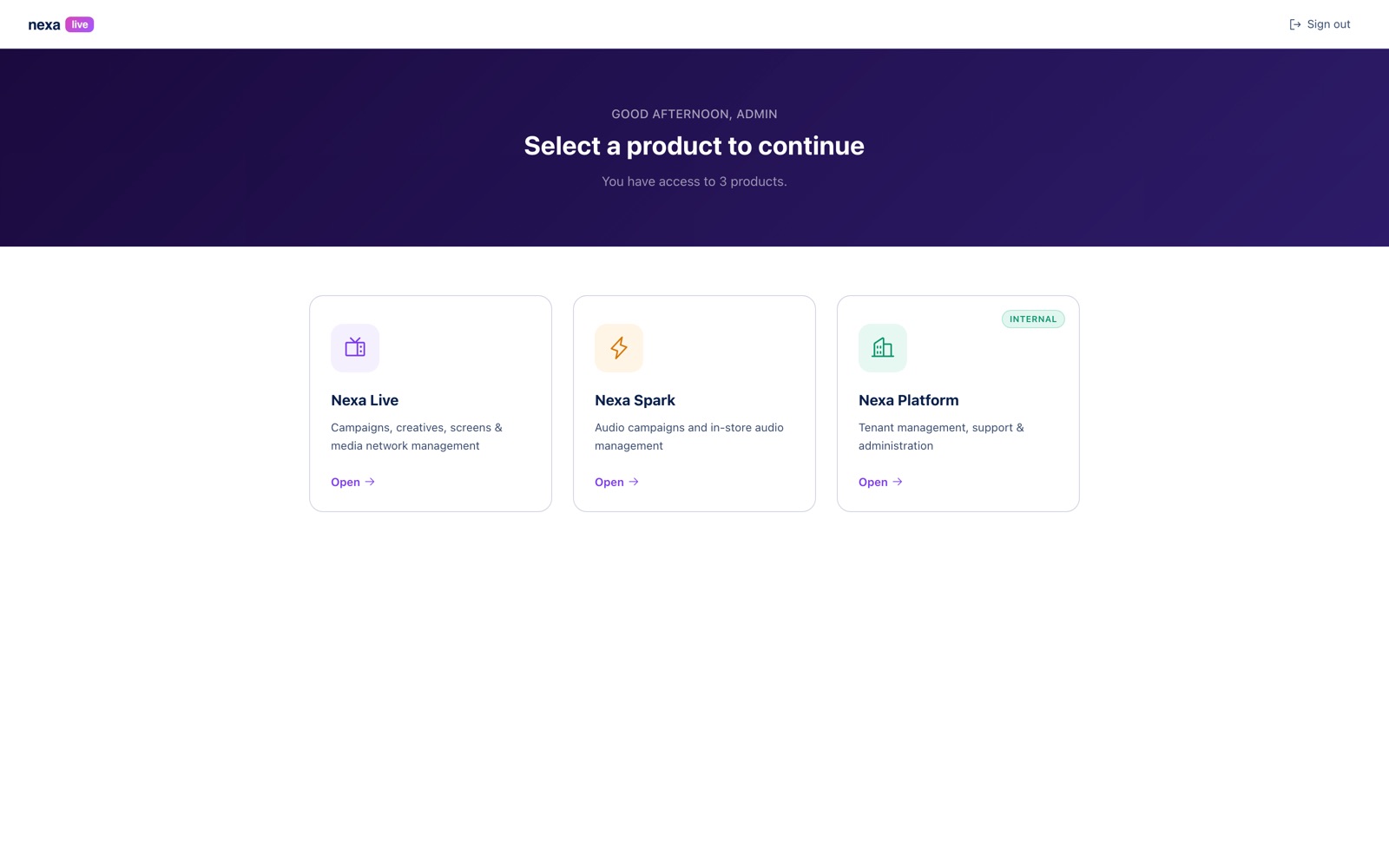
Two-sided product architecture: one codebase, two audiences
How a retail media portal serves the retailer and the advertiser from one Angular codebase — what's shared, what deliberately diverges, and the two scoping bugs that proved the boundary was real.
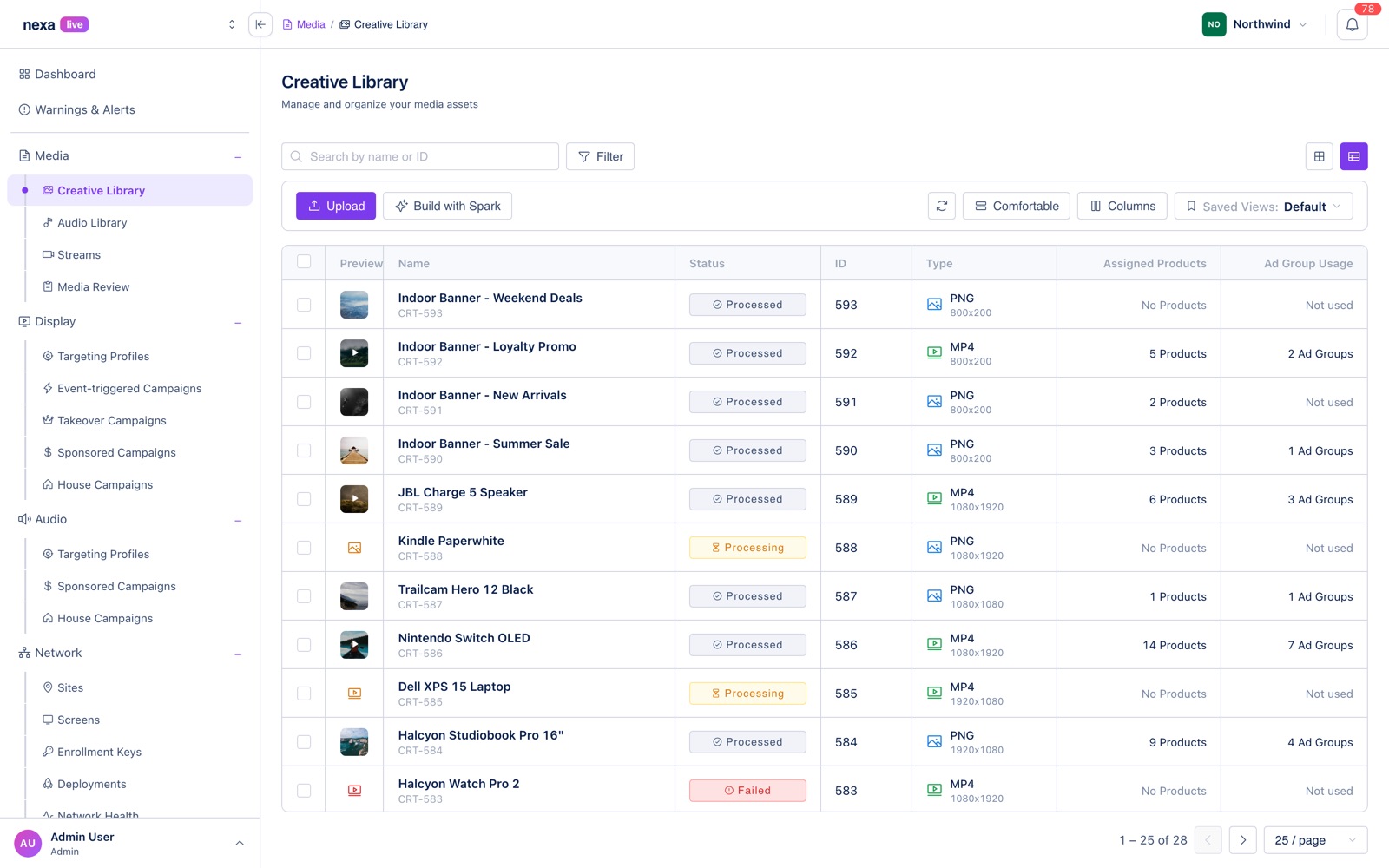
A design system for two products, not one
44 shared components, 75 theme tokens per mode, and per-product branding derived from a single token set — plus the written conventions that keep two products consistent without freezing them.
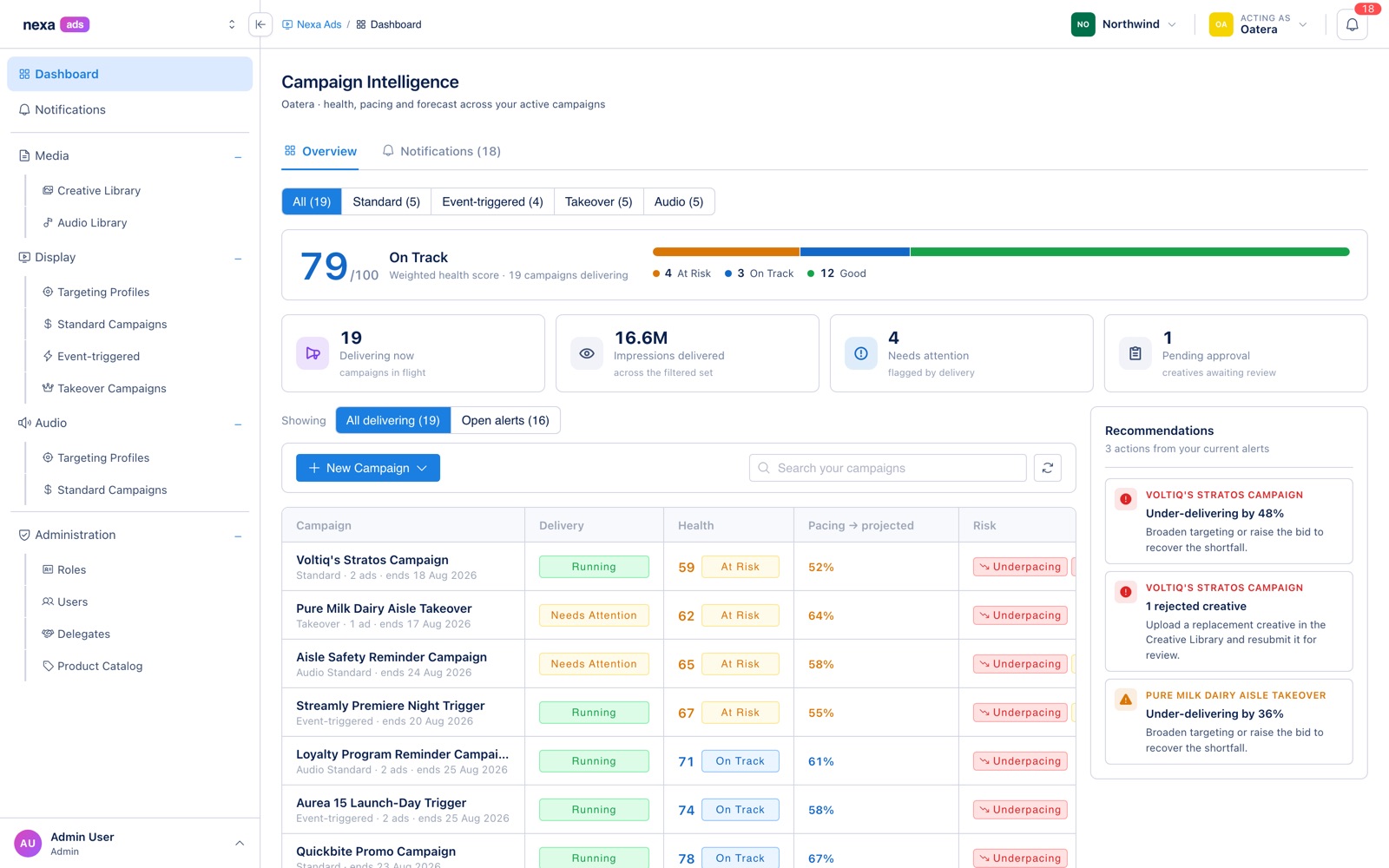
Campaign intelligence: turning a PRD into a scoring model
A spec asked for campaign alerts. Two of the four requested alert families were impossible with the data that exists — so I said so, then built a health-scoring model for the two that weren't.
Specs as a conversation, not a document
How I got business rules out of a domain expert's head using annotated living documents — and why the annotations mattered more than the prose.